
How Aircraft Disinsection Works: The Complete Process
If you have never had your aircraft disinsected before, the process is simpler than most operators expect. We arrive at your aircraft, apply a WHO-approved residual treatment to the interior surfaces, and issue your complete documentation package, all in under an hour from arrival. Here is exactly what happens, step by step.
-
The process starts with a short form for your tail number, current airport, destination country, and any notes about your schedule. We review the specific requirements for your destination, confirm what documentation is needed, and get back to you the same day with a quote and availability.
Once confirmed, we coordinate travel to your aircraft. You do not need to do anything else until we arrive.
-
We come to wherever your aircraft is based or positioned in the United States. Your aircraft stays put; we handle all travel logistics on our end. Depending on your location, we drive or fly. A travel fee based on actual travel cost is included in your quote.
We coordinate arrival time with your schedule so the aircraft is available and accessible when we get there.
-
Before treatment begins, all passengers and crew must be off the aircraft. The cabin needs to be empty and accessible. This is a WHO requirement for residual disinsection the treatment is applied to surfaces, not sprayed into occupied air.
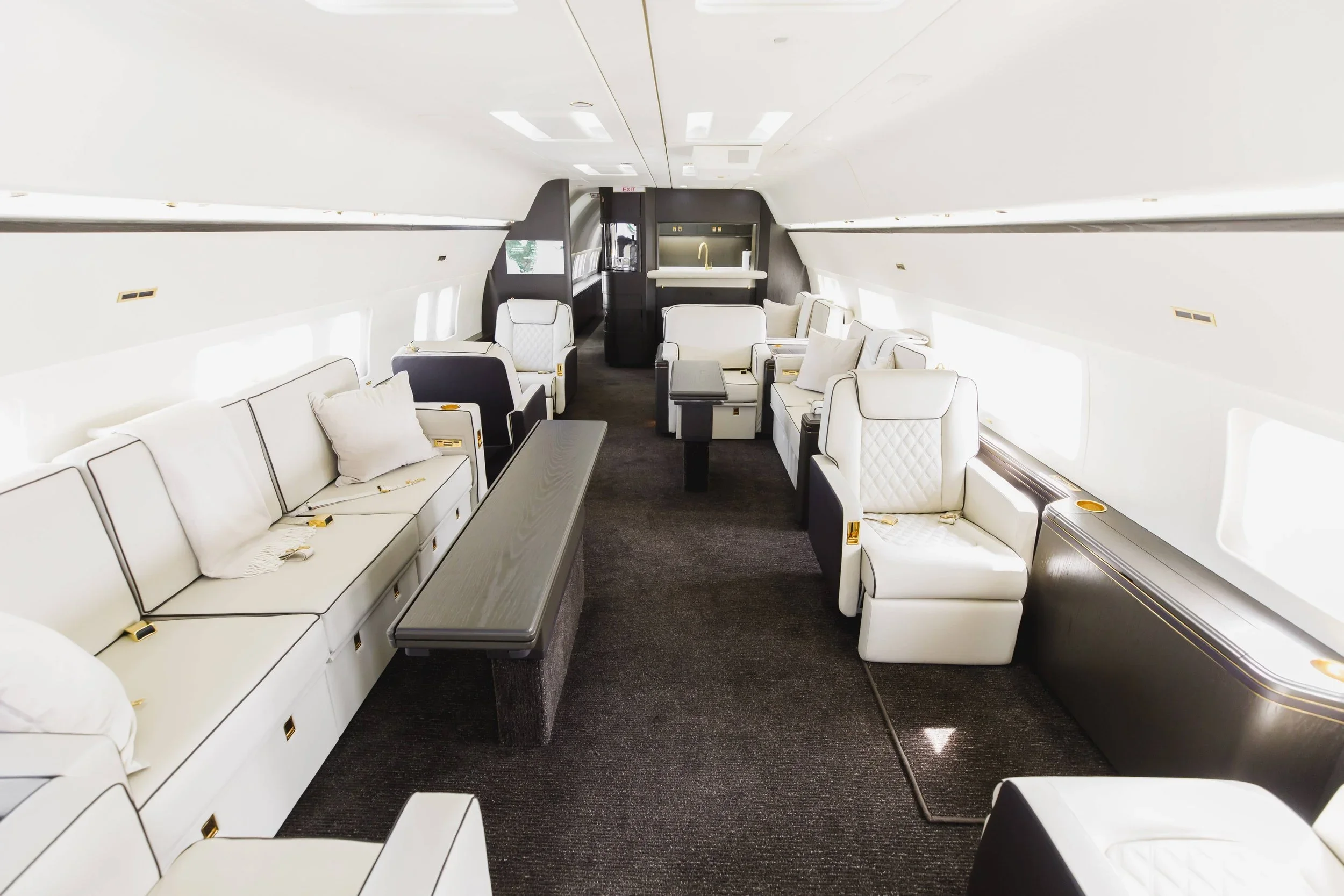
We apply a permethrin 2% residual solution using a compression sprayer with a flat fan nozzle, following WHO-specified application rates. Treatment covers the aircraft carpeting and cargo holds per WHO residual disinsection specifications. Food preparation areas are excluded per the WHO protocol.
For a midsize or large cabin business jet, the actual spraying takes between five and twenty minutes, depending on aircraft size. After application, the aircraft needs to remain closed for a short period to allow the treatment to set before ventilation. We stay with the aircraft through this process.
-
Before we leave your aircraft, we issue your complete documentation package. This includes the WHO-compliant Certificate of Disinsection, a signed company affidavit bearing our official seal, and any country-specific forms required at your destination.
You depart with everything your destination's customs and health authorities will ask for. Nothing to track down, nothing to arrange on the ground at arrival.

What Is Residual Disinsection?
Residual disinsection is one of two WHO-approved methods for aircraft vector control. Unlike aerosol spray methods that are applied during or immediately before a specific flight, residual treatment creates a lasting insecticide layer on the aircraft's interior surfaces that remains effective for up to 60 days.
This means one treatment covers all international departures within that 60-day window, not just the next flight. For operators flying internationally with any regularity, residual treatment is significantly more practical and cost-effective than arranging treatment before every individual departure.
The alternative aerosol spray requires treatment for each flight and, in some cases, must be applied while the aircraft is in motion during descent. Residual treatment eliminates that complexity.

The Permethrin 2% Difference
The active ingredient in residual disinsection is permethrin 2%, the formulation currently recommended by the World Health Organization for this specific application. Permethrin is a synthetic pyrethroid, a class of compounds derived from naturally occurring insecticides found in chrysanthemum flowers.
At the concentrations used in aircraft disinsection, permethrin is highly effective against the Aedes aegypti mosquito, the species responsible for transmitting dengue, Zika, yellow fever, and chikungunya, while posing no significant risk to humans when applied according to WHO specifications.
We apply permethrin at the WHO-recommended rate and document the product used, application rate, and surfaces treated in your certificate. This documentation is what customs and health authorities verify upon arrival.

How Long Does the Treatment Last?
Residual disinsection is valid for 60 days from the date of treatment. Your WHO Certificate of Disinsection will state the exact date of treatment and the expiration date, so you always know where you stand.
If your aircraft makes multiple international departures to qualifying destinations within that 60-day window, the single treatment covers all of them. If your operations extend beyond 60 days, a second treatment is scheduled the same way as the first.
We note the expiration date clearly on your certificate and will remind you if you reach out near the end of your validity window.
Is It Safe for Passengers and Crew?
Yes. Permethrin 2% at WHO-recommended application rates has been confirmed safe for use in aircraft cabins by the World Health Organization. The treatment is applied while the aircraft is empty, and a ventilation period follows before passengers re-board. By the time passengers are aboard, the treatment has set into the surfaces and is no longer airborne.
Residual disinsection is specifically preferred over in-flight aerosol methods in part because it eliminates any passenger or crew exposure to aerosolized insecticide during the flight. It is the safer method for everyone on board.
If any passenger or crew member has a known sensitivity to pyrethroids, let us know when you request a quote. We will advise on timing and ventilation to ensure any concerns are addressed before boarding.

Ready to schedule service before your next international departure?
Submit your tail number, airport, and destination. We will confirm your documentation requirements and get back to you with a quote the same day.